
Article content
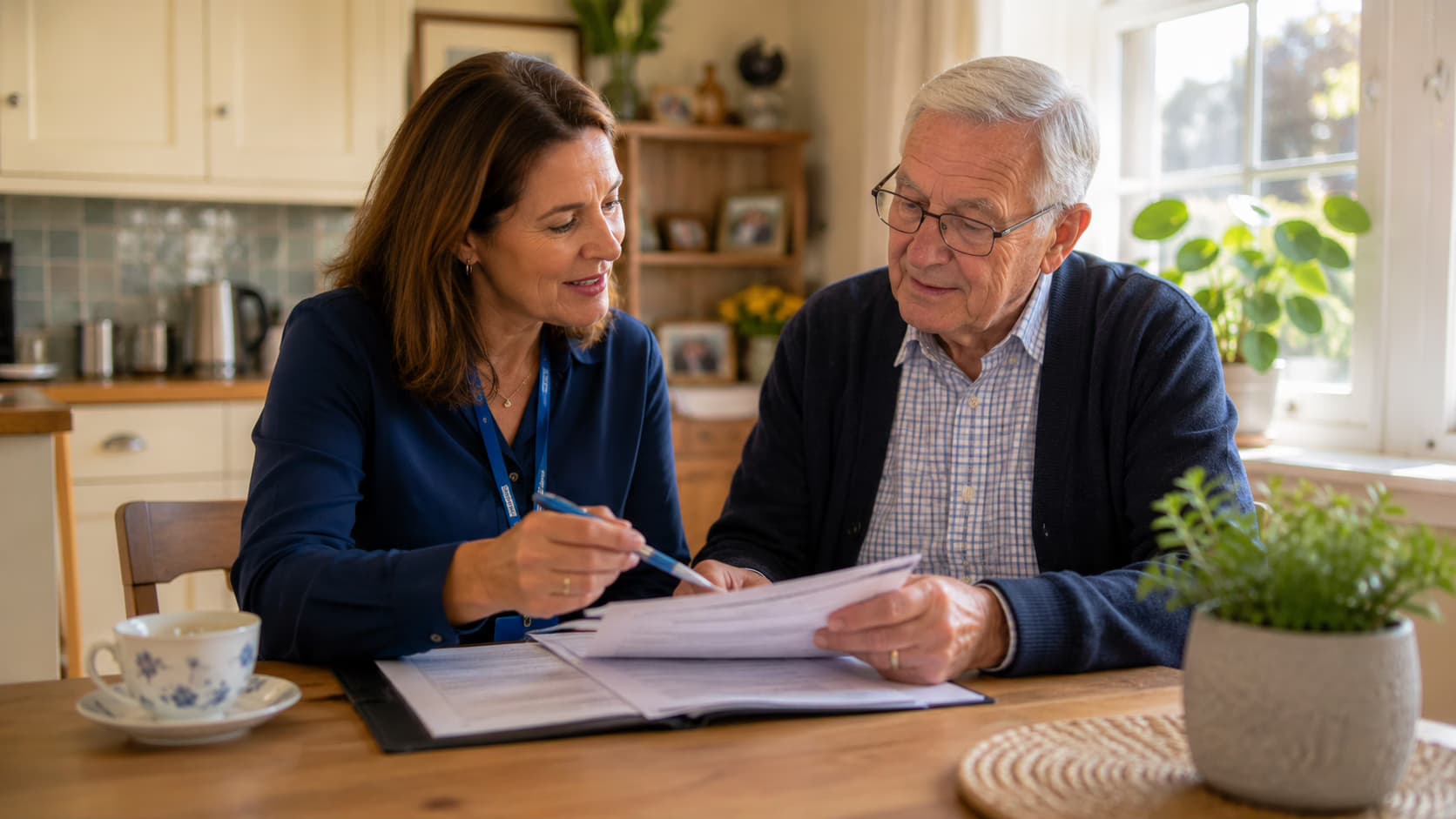
In England's social care system, a Direct Payment is a financial allocation made by the local authority to eligible individuals who require care and support. This mechanism aims to shift control over care arrangements to the recipients themselves.
Financial Empowerment
The programme emphasises financial empowerment by providing individuals with funds calculated based on their assessed care requirements, enabling them to cover necessary support costs independently.
Flexibility and Choice
Recipients gain substantial flexibility in how allocated money is spent, allowing them to select caregivers, determine service frequency, and arrange support that matches their personal preferences and lifestyle choices.
Personalisation of Care
The approach prioritises customised arrangements, allowing beneficiaries to structure care around their cultural considerations, daily habits, and individual needs rather than standardised service models.
How the Money Can Be Used
Individuals can utilise these payments for various services, ranging from professional caregiving to day programmes, transportation, and wellness activities that improve quality of life.
Your Responsibilities
While autonomy increases, so do recipient responsibilities — including budget management, expense tracking, and adherence to agreed care plans and legal requirements.
Support and Guidance
Local authorities typically provide ongoing assistance with care plan development, legal compliance guidance, and relevant information resources to support recipients throughout the process.
Monitoring and Reviews
The system incorporates regular monitoring and evaluative reviews ensuring funds are deployed effectively and care objectives continue being satisfied.
How to Access Direct Payments
Eligibility generally requires a formal care needs assessment from social workers or care assessors, with qualification based on assessed support requirements related to age, disability, or health conditions.